
The Presidency has rejected Atiku Abubakar’s promise to restore petrol subsidy if elected in 2027, warning that reversing the policy could damage petroleum reforms, create legal and fiscal problems, and discourage investors in local refineries, including Dangote Refinery.
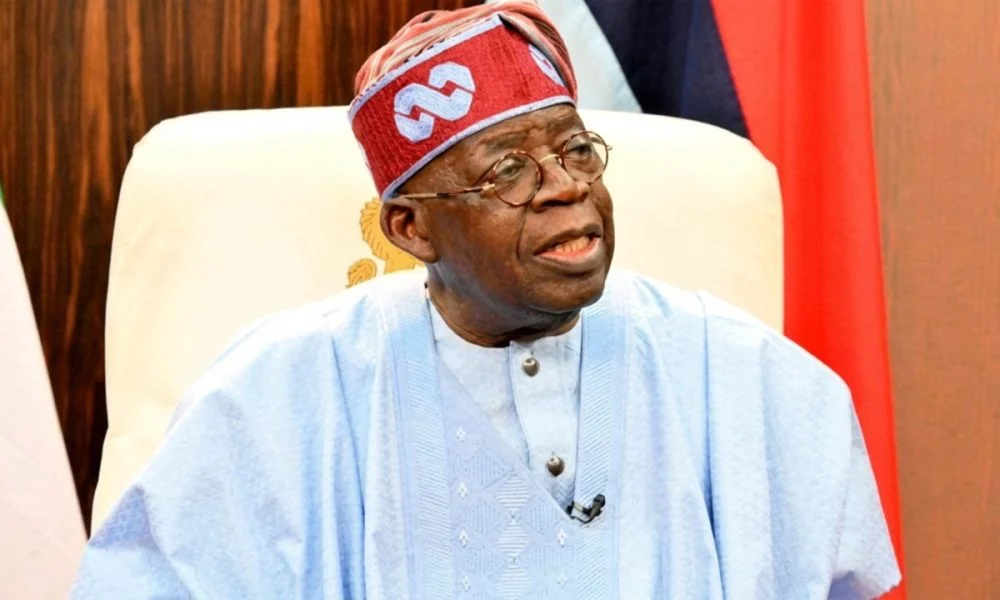
Presidential spokesperson Bayo Onanuga described Atiku’s plan as retrogressive and fiscally unsustainable, saying it was driven by “desperation to win the presidency.” President Bola Tinubu also criticised Atiku, describing his position as “his high level of ignorance in governance and economy.”
Finance Minister Taiwo Oyedele said subsidy removal freed N15.8 trillion for the federation between June 2023 and December 2025. He said N5.4 trillion went to the federal government, while N10.4 trillion was shared by states and local governments.
Atiku supported subsidy removal in 2023 but later changed his position. He now wants controlled support linked to local refining, with crude allocations monitored to ensure savings reach consumers.
Prof. Uche Uwaleke said, “The success of subsidy removal should not be measured simply by whether government stopped paying the subsidy. It should be measured by whether it succeeded in converting that difficult sacrifice into a more productive economy, stronger public services, increased domestic production and a better quality of life for the ordinary Nigerian.”
Prof. Ken Ife said, “In broad macroeconomic terms, and even in development economies, you do not subsidise consumption. What you subsidise is production,” warning that borrowing for subsidies would breach the Fiscal Responsibility Act.
Civil servant Ibrahim Abbas said the policy brought hardship and a weaker naira, making Atiku’s proposal “attractive to ordinary Nigerians.” Retiree Sule Aliu agreed. Atiku is also asking Tinubu, ‘where is the money’.
This comes amid biting hardship as fuel prices soar and living costs become unbearable under the Tinubu administration.
