
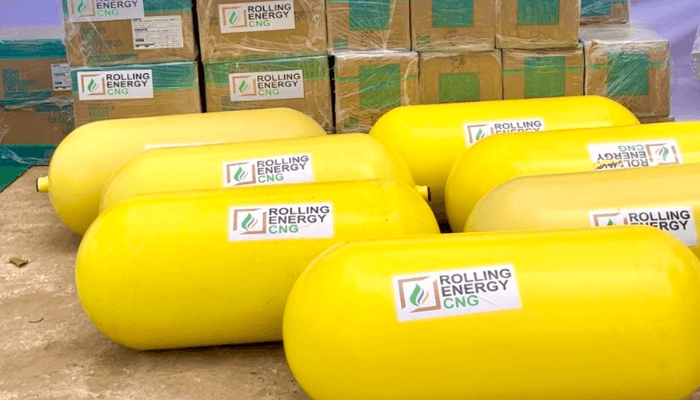
Three years after President Bola Tinubu removed the petrol subsidy and promoted CNG as a solution, the flagship programme has recorded huge spending but limited results.
The government says the initiative attracted over $2 billion, much of it private money. Yet many conversion centres are missing or not working. Tinubu also ordered 500 extra CNG stations, taking the planned total to 1,000: “I have also directed the additional rollout of another 500 CNG refuelling stations nationwide in addition to the 500 stations ordered earlier in the year by the fund, bringing the programme to 1,000 stations across the country.”
GovSpend records show N76.3 billion passed through government agencies between November 2023 and June 2026. About N61.6 billion was spent in 2024, before falling to N550 million in 2025 and N2.1 billion in the first half of 2026.
Jet Systems received N18.5 billion for bi-fuel buses, while other firms shared the balance. Tax authorities got N4.9 billion, while N57.6 million funded newspaper adverts and live NTA coverage. More than N20 billion was also paid in June 2024 for a “comprehensive update on payment status of PCNGI contractor.”
Jide Pratt said, “You can’t use gas where it’s not piped,” blaming slow pipeline development, leadership changes and funding delays.
The government targets one million conversions by 2027, but only about 120,000 had been completed by Q3 2026.
Some states still lack working centres, while concerns remain over safety and implementation. Still, Umar Abubakar says northern states have 24-hour CNG stations and government-backed buses and tricycles.
Victor Oguntuase described the initiative as a climate-friendly way to use Nigeria’s resources.
