
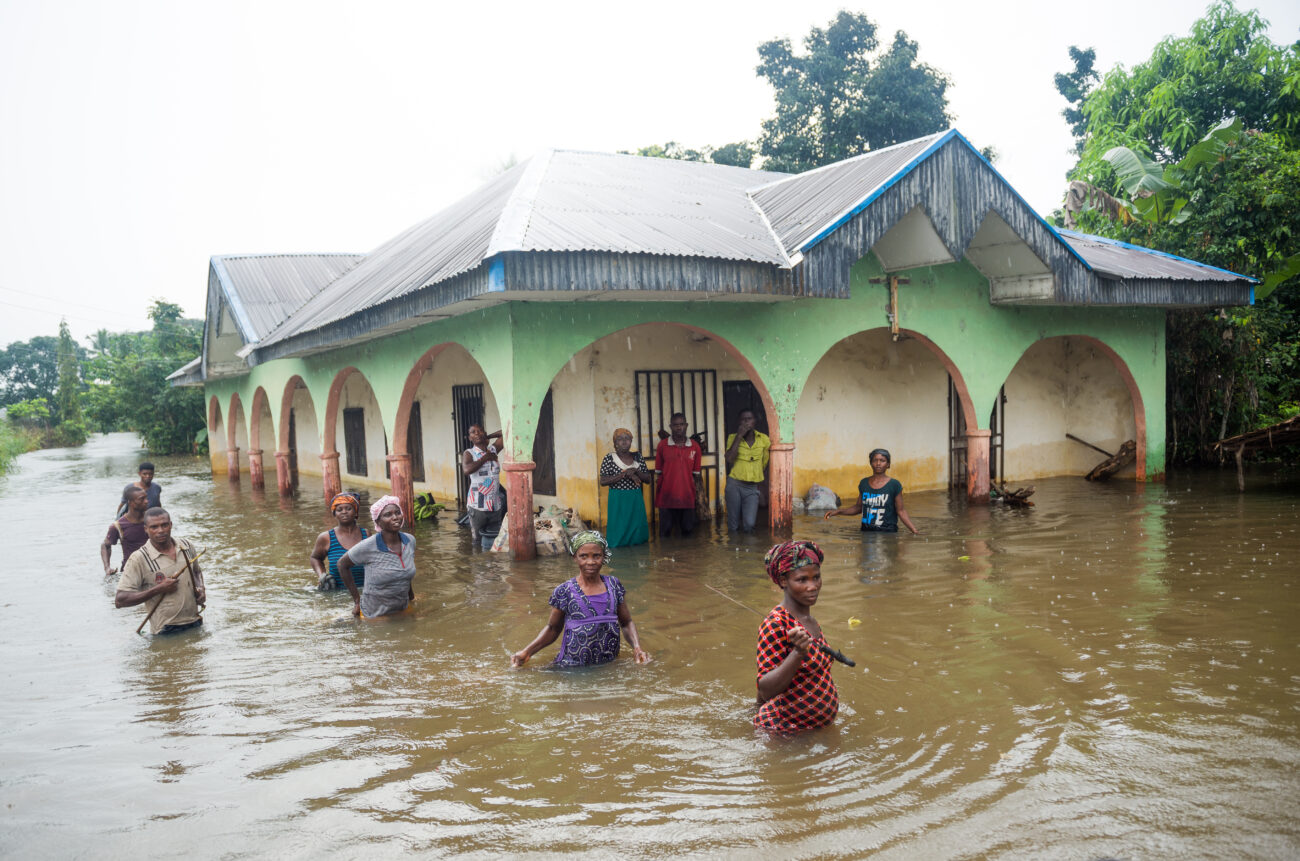
The Nigeria Hydrological Services Agency (NiHSA) on Tuesday warned that 17 states could experience flooding between July 21 and July 27, 2026.
The alert was contained in NiHSA’s National Flood Advisory (Alert No.: NFA-2026-200), which predicted a MEDIUM FLOOD RISK across the affected states.
NiHSA Director General and Chief Executive Officer, Arc Umar Mohammed, said the states include Bauchi, Edo, Imo, Kaduna, Plateau, Benue, and 11 others.
He explained that the forecast points to possible flooding in some river channels and floodplains. He stressed the need for early action, quick evacuation where necessary, and close teamwork among agencies to protect lives, property, and key infrastructure.
He said: “Our hydrological monitoring network indicates that river stages at critical monitoring stations —including Saminara on the Karam River, Waya Dam Site on the Waya River, and Amber on the Amber River — have exceeded watch and warning thresholds.
“With 16 gauging stations showing elevated stages, communities along the primary channels face imminent localized flooding. We strongly advise state governments, local authorities, and residents on floodplains to act immediately.”
The advisory said 16 major gauging stations across the national hydrometric network are under close watch.
It also listed areas that could be affected. Bauchi has 1,841 communities, 145 schools, 101 health facilities and eight markets at risk. Edo has 148 communities, 131 schools, 123 health facilities, four markets, seven religious centres and seven hectares of farmland. Imo has 415 communities, 423 schools, 198 health facilities, 49 markets, 111 religious centres and 75 hectares of farmland. Kaduna has 168 communities, 16 schools, three health facilities and three religious centres. Plateau has 205 communities, 137 schools, 44 health facilities, 16 markets, 81 religious centres and 64 hectares of farmland. Benue has five communities, eight schools, two health facilities and four religious centres.
Mohammed urged NEMA, SEMA, local government officials and community leaders to act without delay. He advised immediate evacuation of people, livestock and valuables from flood-prone areas, early deployment of relief materials, activation of local warning systems, avoiding flooded roads and fast-moving water, clearing blocked drainage channels, and following daily updates from NiHSA.
