
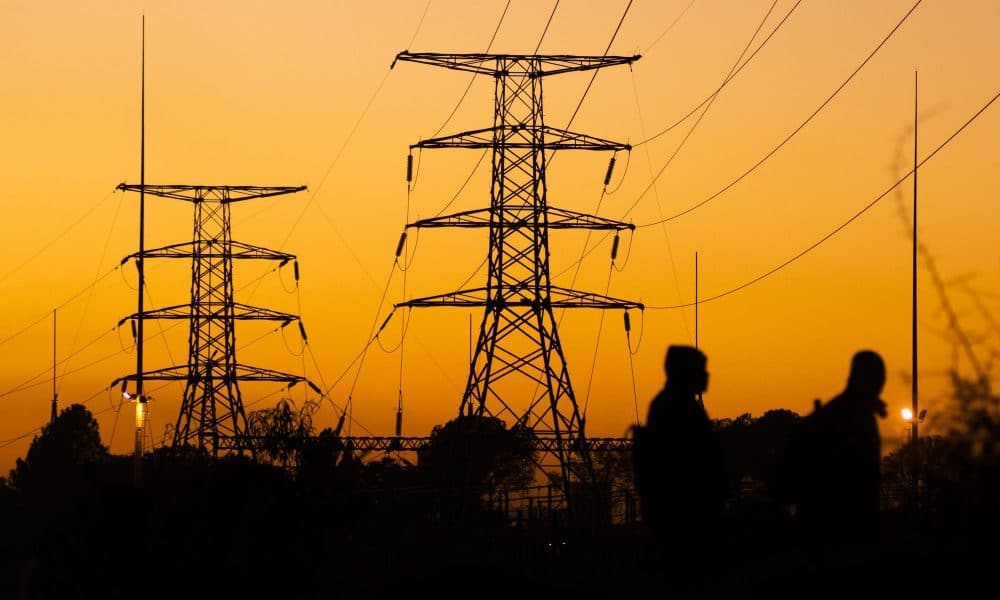
Nigeria’s power crisis worsened on Monday as 16 generating plants recorded zero output, leaving many homes and businesses without electricity.
The affected plants include Egbin, Geregu NIPP, Olorunsogo NIPP, Jebba, Kainji, Okpai, Rivers IPP, Trans Afam Power, Afam III Fast, Alaoji NIPP, Delta, GPAL, Ihovbor, MEPP and TAOPEX.
Data from the Nigeria Independent System Operator (NISO) dashboard showed that total real-time generation stood at 2,033.66MW by 3pm, with only 13 plants producing power.
That was a drop of more than 3,300MW, or about 62 per cent, from the 5,403MW recorded on September 24.
The reduced supply has worsened conditions for consumers, especially in Lagos and other major cities.
Several areas under the Ikeja Electric franchise were still without power by 5pm. In Ogba, pure water factory operator Moshood Adekunle said the outage had forced his business to rely heavily on diesel generators, adding that rising diesel costs were putting more pressure on the business.
In Iyana-Iba, Jude Ezeobi said his area had been without electricity for over two days, calling it a major setback for households and small businesses.
The latest decline comes despite recent assurances from Power Minister Joseph Tegbe that supply was improving.
At the commissioning of a 3MW solar hybrid project at Yakubu Gowon University, formerly the University of Abuja, Tegbe said some communities that had gone months without power were now getting up to 18 hours daily.
“Places that didn’t have light at all for three months are now having 18 hours light. Some areas called me to say, look, I should slow down, that everything in their freezer is freezing. That is what freezer is meant to do. Let it freeze the food that needs to be frozen,” he said.
Tegbe said he had promised during his Senate screening that noticeable improvements would come within three to six months.
