
French health authorities have confirmed the first recorded human case of the Shamonda virus, an insect-borne disease that mainly affects livestock. The patient, who received treatment at Hospices Civils de Lyon, died in early October.
Despite the death, authorities said there was no threat to the wider population at this stage.
The French Ministry of Agriculture described the case as unusual, saying, “This is therefore an exceptional case involving a severely immunocompromised patient,”
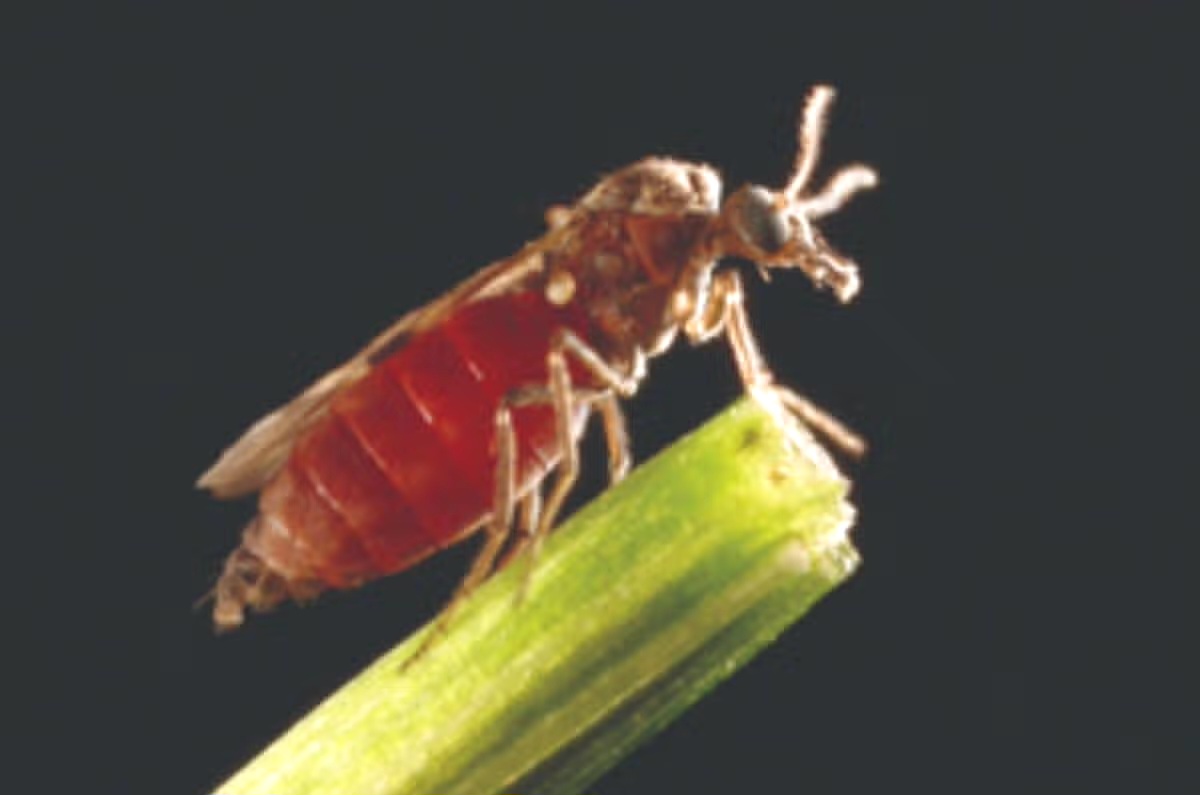
Officials believe the patient may have been bitten by a Culicoides midge in eastern France, where the virus circulated among animals during spring and summer 2026.
Authorities also said, “Furthermore, according to investigations already carried out, the cerebral complications observed in the immunocompromised patient before his death were very likely linked to infection with the Shamonda virus”,
Investigations into the case are ongoing, with experts examining human, animal and environmental health factors. International health bodies, including the World Health Organization (WHO) and the European Centre for Disease Prevention and Control (ECDC), have been informed.
The virus was first identified in Nigeria in the mid-1960s. It has since appeared in cattle across West, East and Southern Africa, as well as Japan. This summer marked its first appearance in Europe, with cases reported on cattle farms in France.
In August, APHA confirmed positive tests in cattle in Jersey, warning that the virus was present in the British Isles and could spread further across north-west Europe.
Cases were also reported in southern Germany, Switzerland and the Netherlands. Cattle remain the main hosts, although infections in small ruminants and horses were also recorded in France.
