
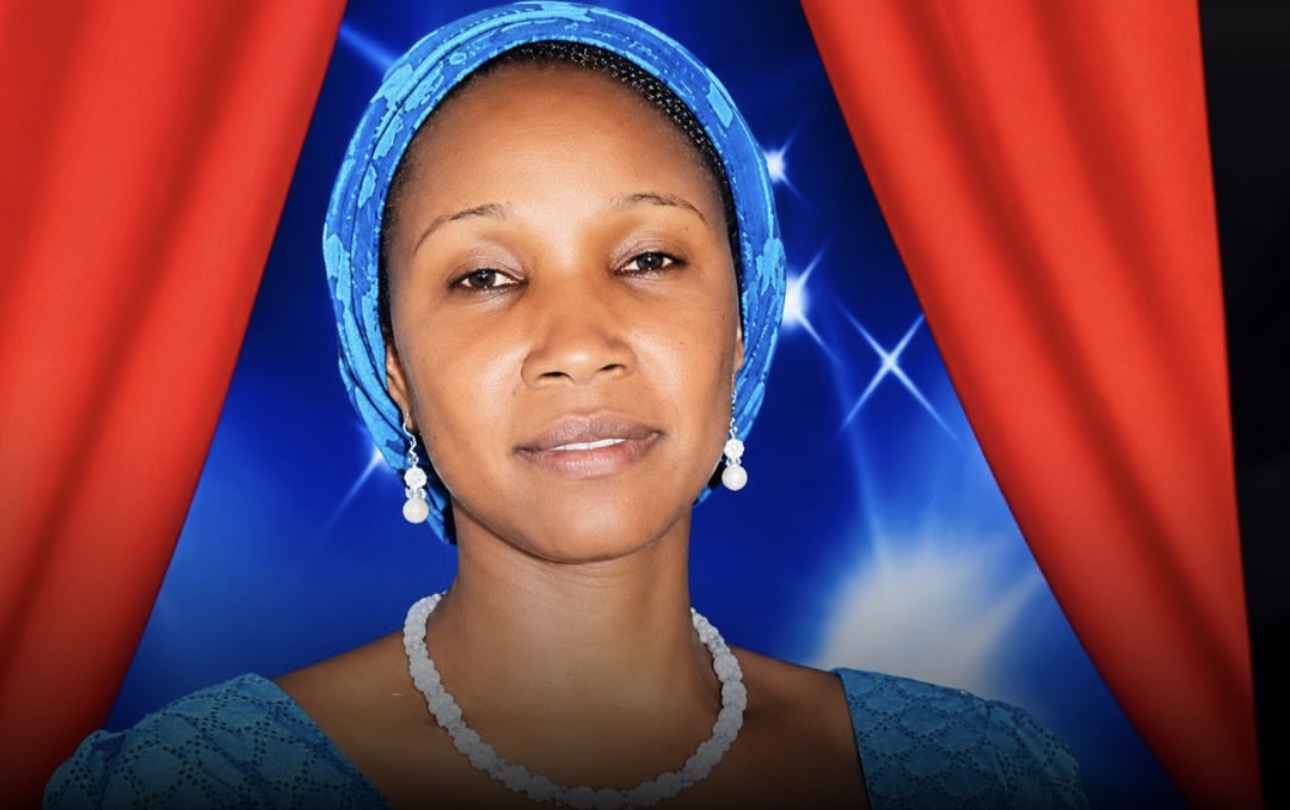
A Christian woman, Liyatu Samuel Dawa, has been sentenced to 14 years in prison in Borno State after sharing her religious beliefs with an adult Muslim woman who reportedly converted to Christianity willingly.
The judgment has raised serious concerns among human rights advocates, who accuse the court of violating Nigeria’s constitutional protection of religious freedom.
According to a report by TruthNigeria, the woman who converted told the court that she accepted Christianity voluntarily and was never forced or pressured by Dawa.
However, the court still found Dawa guilty, a decision critics say was influenced by religious interpretations rather than the country’s laws.
Gavvs Katiya, Chairman of the Gwoza Refugees Resettlement Initiative, criticised the judgment, saying it “weaponized her Christian conviction” and imposed a punishment that went beyond what Nigerian law could justify.
While Dawa remains in prison, her husband, Evangelist Amos Suleman, says his family has continued to face threats from local extremists.
Suleman revealed that he spent several months in detention before being released on bail. He said repeated death threats have since forced him into hiding.
“I’m on the run; my life is under threat,” he said. “I was imprisoned for months like a criminal. After I was released on bail, extremists began hunting for me. I’m not safe anymore. My wife is a good person. The young woman they claim she coerced is an adult — she testified clearly that no one forced her to accept Christ. Yet my wife is in prison suffering.”
According to Suleman, the threats have made it impossible for him to visit his wife in prison because doing so could put his life in danger.
The case has also raised questions about fairness in the justice system, particularly in northeastern Nigeria, where advocates say religious minorities face growing challenges.
Human rights lawyer Samuel John questioned the legal basis of the conviction, arguing that a voluntary religious discussion between two adults should not attract such a severe punishment.
“No provision of Nigerian law justifies a 14-year sentence for a consensual religious conversation between two adults,” he told TruthNigeria, describing the judgment as “unconstitutional and deeply troubling.”
Suleman also accused the court of applying religious rules instead of the country’s written laws.
“The judge subjected her to an Islamic interpretation of Sharia,” he said. “Meanwhile, dangerous criminals who displaced us and killed many people are discharged and acquitted. My wife, who committed no crime, is in prison.”
He argued that the judgment showed how peaceful religious activities could attract severe punishment while people accused of serious violent crimes were sometimes released.
Meanwhile, a certified copy of the court judgment obtained by TruthNigeria revealed that Dawa had appealed for mercy before her sentence was announced.
“I’m a mother,” she told the court. “I did not intend to cheat the victim. I only advised her. That is all.”
However, her plea was rejected by Hon. Justice A. B. Kumdila, who sentenced her to 14 years in prison without an option of fine.
The sentence was imposed on Count 1 under Section 210 of the Penal Code Laws of Borno State, which deals with depriving a parent of lawful custody of a child.
The judge handed down the maximum punishment allowed under the charge.
Legal analysts have questioned whether the punishment was appropriate and whether the court correctly interpreted the law. They also raised concerns that religious considerations may have influenced the judgment instead of constitutional principles.
Human rights advocates say the case reflects wider concerns about unequal treatment, religious freedom and the safety of minority religious groups in northeastern Nigeria.
They warned that constitutional rights in the region were increasingly coming under pressure from local influences, extremist threats and inconsistent enforcement of the law.
With his wife still behind bars and his own safety uncertain, Suleman has appealed to international human rights organisations, religious freedom campaigners and world leaders to intervene.
He said efforts to resolve the situation locally had failed, leaving him with little choice but to seek help outside Nigeria.
“I’m appealing to the world to save my life and my wife,” he told TruthNigeria.
Suleman maintained that continued threats from extremists and the failure of available legal remedies had made the situation increasingly dangerous for his family.
Rights advocates also called for international attention, arguing that allowing the judgment to stand without proper examination could create a dangerous example in which peaceful religious expression is punished while those threatening others escape consequences.
They stressed the need for greater judicial fairness, stronger protection of constitutional rights and reforms to safeguard religious minorities.
For now, Dawa remains in prison, while her husband continues to live in hiding.
Their family remains separated as concerns grow over the treatment of people exercising their constitutional rights to religious belief and expression.
