
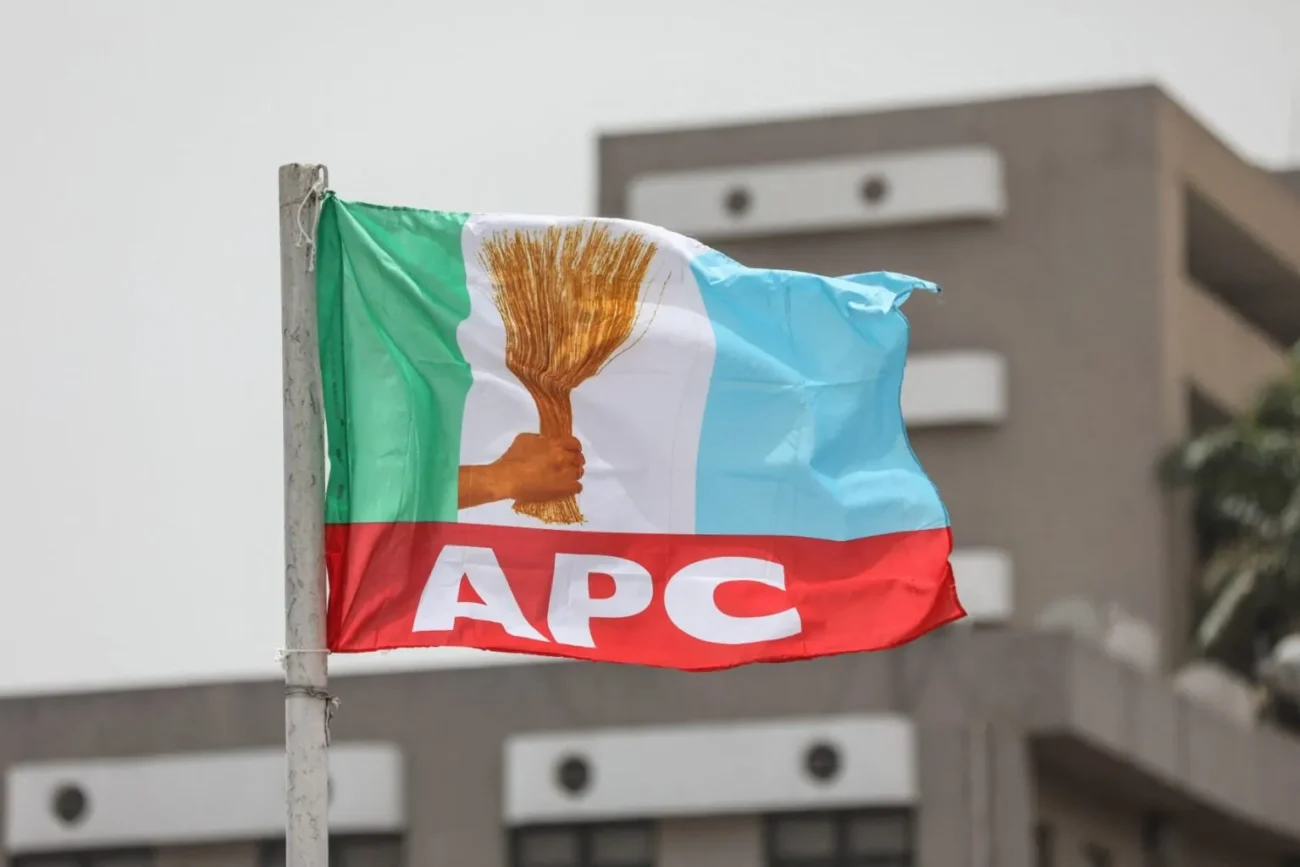
The All Progressives Congress Presidential Campaign Council (APC PCC) has admitted that higher petrol prices are hurting Nigerian families but rejected African Democratic Congress (ADC) presidential candidate Atiku Abubakar’s proposed production subsidy.
APC PCC spokesperson Dele Alake said petrol was about N830 per litre before the Middle East crisis pushed crude oil above $100 per barrel.
“The APC-PCC acknowledges the pressure that higher petrol prices place on Nigerian families. The Tinubu administration will continue to implement policies to support our people,” Alake said.
He added: “A de-escalation of the crisis could help reduce crude oil prices and, consequently, the pump prices of petrol and diesel, not just in Nigeria, but worldwide.”
The council said NMDPRA and FCCPC were tackling alleged price gouging, while Customs was checking border diversion. It also cited CNG and electric mass transit programmes, saying over 120,000 vehicles had been converted to CNG, with more done privately. The government is working with states to expand the scheme, with Tinubu saying transport costs should begin falling from October 1.
But the PCC questioned Atiku’s production subsidy, citing Section 205(1) of the Petroleum Industry Act 2021, which provides for free-market pricing.
“Atiku should therefore explain whether a refinery receiving his proposed subsidy would be required to sell petrol at a prescribed price,” Alake said.
It estimated the plan could cost N17 trillion to N21 trillion yearly but said Atiku had not explained its funding, legal basis or how it would guarantee cheaper pump prices.
“Nigerians deserve to know: the proposed subsidy rate; the annual spending ceiling; the volume of crude or petrol to be covered; the source of funding; the mechanism guaranteeing lower pump prices; the safeguards against diversion, smuggling and fraudulent claims; and whether amendments to the Petroleum Industry Act would be required,” Alake said.
The PCC also questioned Atiku’s past support for deregulation and subsidy removal, and demanded a detailed policy document plus independent legal and fiscal analysis.
“Until he does so, his production-subsidy plan remains an uncosted promise without a clearly identified legal or operational framework.”
