
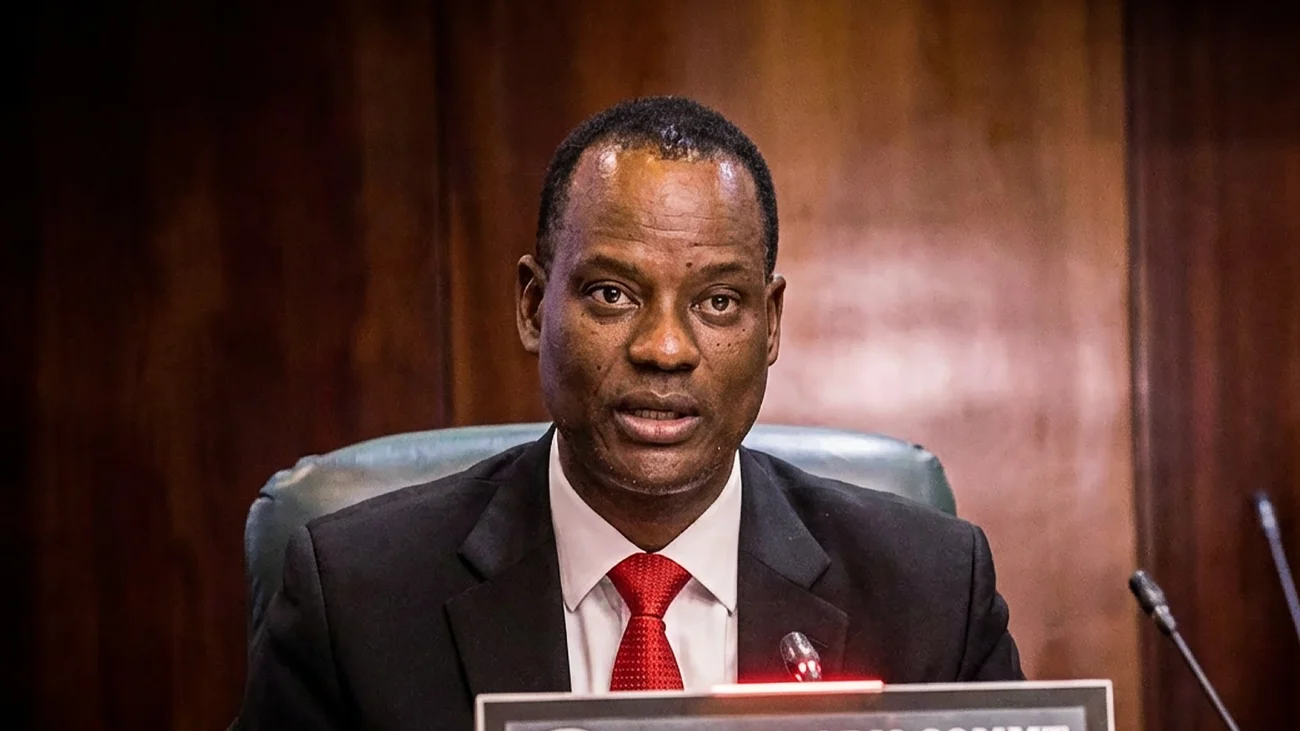
Nigeria’s Finance Minister, Taiwo Oyedele, has warned that negative stories and misinformation about the country are driving away investors, slowing business growth and forcing skilled Nigerians to look for better opportunities abroad.
Oyedele raised the concern on Tuesday, November 17, while speaking at the 2026 World Public Relations Forum in Abuja.
He explained that damaging stories about Nigeria go beyond public relations issues, as they can affect investment decisions, business activities and the willingness of professionals to remain in the country.
The minister stressed that public trust plays a major role in economic growth and determines how Nigerians respond to government policies.
“Trust is the one currency that sits beneath all the other currencies. When trust is strong, citizens cooperate, capital flows, businesses invest, and reforms get a fair hearing. When trust is weak, even sound policies meet suspicion, and every explanation sounds like an excuse,” he said.
He mentioned statements such as “Nigeria is finished”, “Nigeria is a scam” and “Nigeria happened to me” as examples of negative comments that could damage confidence in the country’s future.
According to him, such perceptions can make investors demand higher returns because of the risks they associate with Nigeria. They can also cause businesses to delay expansion and encourage skilled workers to leave the country.
However, Oyedele acknowledged that Nigerians have every right to speak about their hardships, expose failures in government and demand accountability.
He warned that efforts to improve the country’s image must not become an excuse to silence criticism.
The minister said any honest account of Nigeria must show both the country’s problems and its achievements. He also cautioned government officials and businesses against using publicity to cover up poor performance instead of improving their services.
“We cannot communicate our way out of conflicts,” he said.
Oyedele further explained that public communication must be backed by real results. He noted that Nigerians judge the government based on what they experience daily, not announcements or money set aside in budgets.
He said the difference between what officials say and what citizens experience has increased distrust and made it difficult for government policies to receive public support.
Using inflation as an example, the minister referred to the reported October 2026 rate of 14.06 per cent, which was described as the lowest in six years.
He said many Nigerians remained unconvinced by the figure because basic food items such as bread and milk were still expensive.
Oyedele explained that lower inflation does not mean prices are falling. Rather, it means prices are increasing at a slower rate.
He warned that failing to explain the difference could increase public frustration, create wrong expectations and affect how people behave in the market.
On tax reforms, the minister said false information had given Nigerians the wrong impression about the government’s plans.
He explained that some of the reforms were designed to protect small businesses and exempt low-income earners from paying taxes. However, some of the people meant to benefit from the measures had opposed them because of misleading information.
He said this showed why the government needed to keep engaging the public and explaining its policies.
“Facts do not defend themselves,” he said, adding that “in a contest between a careful explanation and a frightening headline, the headline wins.”
The minister also raised concerns about social media, where shocking and divisive posts often attract more attention than efforts to correct false information.
“Outrage pays, correction does not,” Oyedele said.
He warned that artificial intelligence had made the situation worse by allowing people to create fake but convincing pictures, voices and documents and spread them quickly.
Oyedele urged public relations professionals to be involved in policy planning from the beginning instead of being invited only when organisations face communication problems.
He also called on journalists, social media influencers and others who share information to maintain the same level of care when reporting different claims.
“Verify before you amplify. Correct as loudly as you reported when you make mistakes. Hold good news and bad news to the same standard of proof,” he said.
The minister urged government agencies and businesses to make information about the economy and public policies easier for Nigerians to understand.
He also advised them to respond to complaints and measure their communication efforts by whether people understand the message and see real results.
Oyedele maintained that the trustworthiness of any message from the government or businesses depends on what people experience, rather than how much publicity is given to it.
“Experiencing is knowing,” he said.
